Built for Calgary exposure
Plan the siding, flashing, clearances, and trim package around hail, wind, sun, and freeze-thaw conditions.

James Hardie siding Calgary
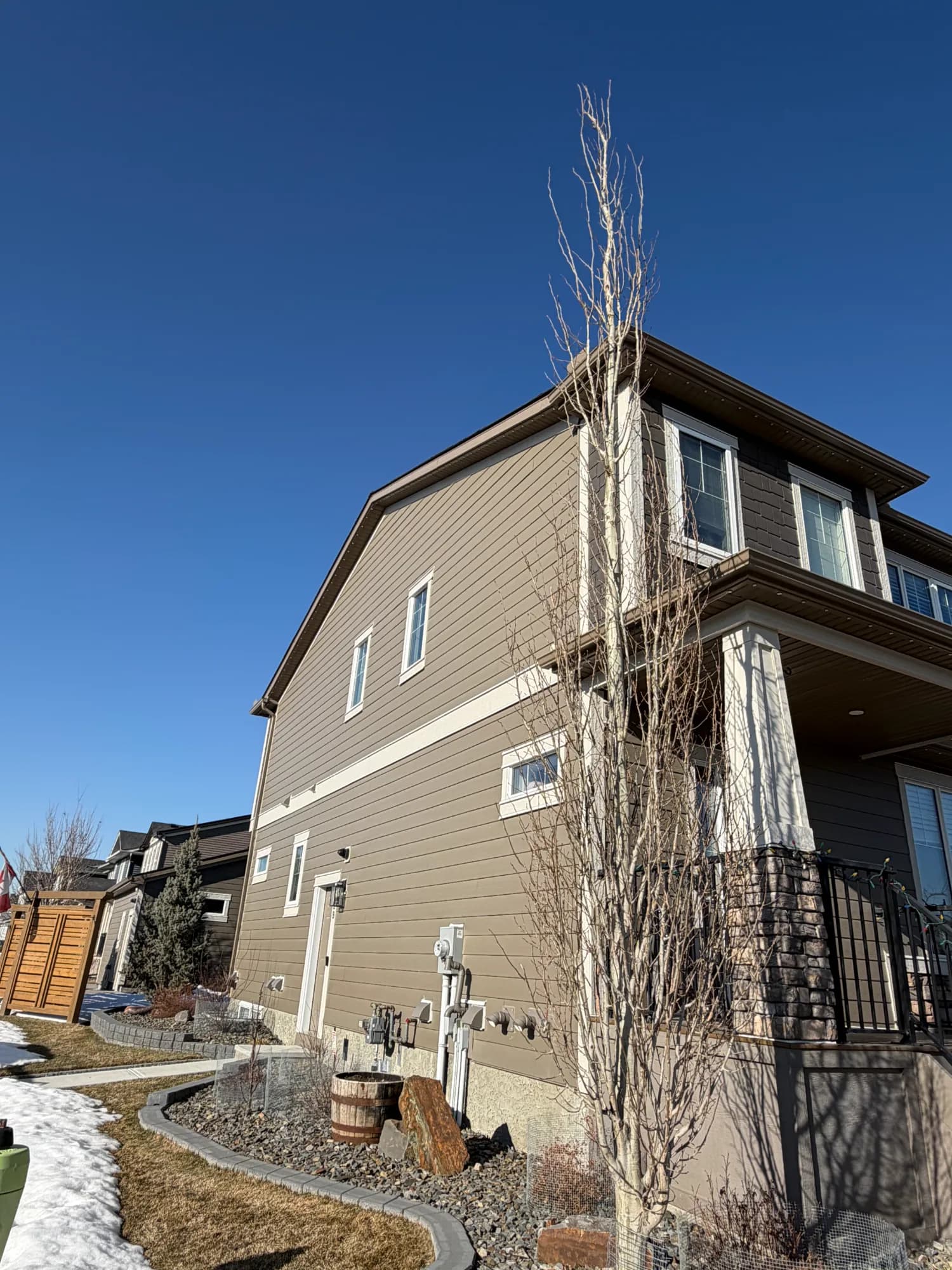
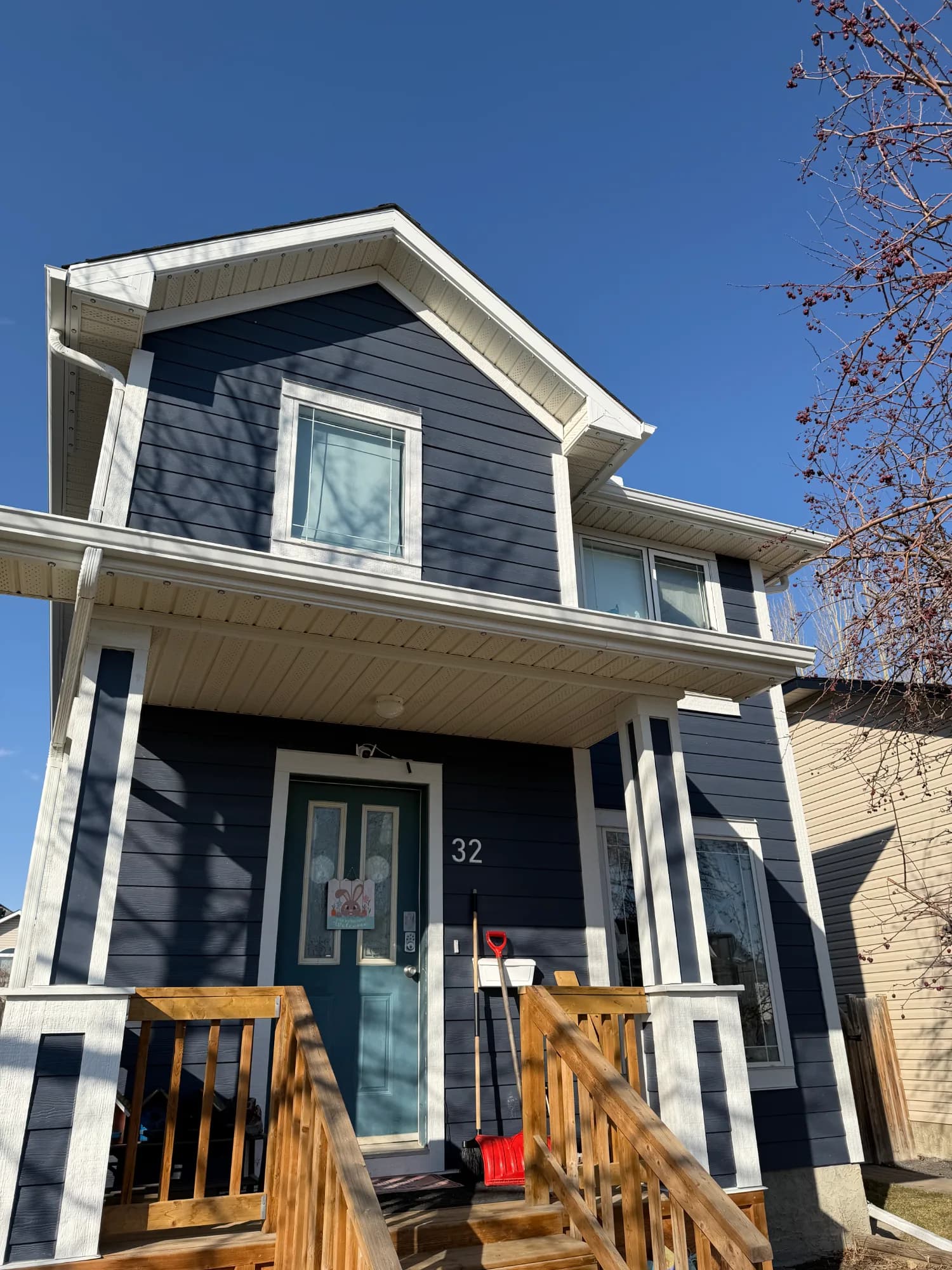
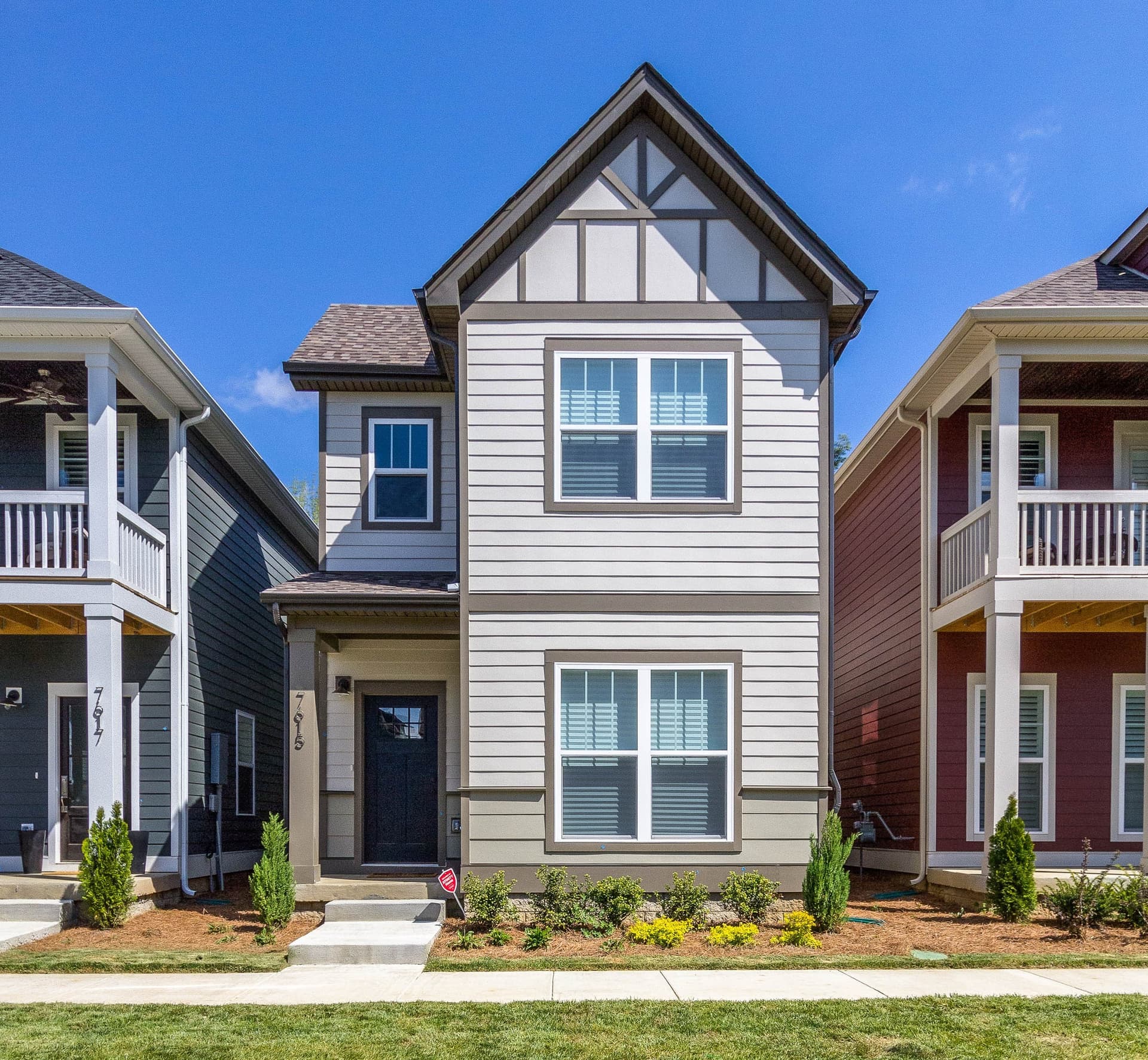
Compare fiber cement siding against vinyl, see recent Calgary Hardie projects, and start an instant exterior estimate before requesting a detailed proposal.
Plan the siding, flashing, clearances, and trim package around hail, wind, sun, and freeze-thaw conditions.
Compare appearance, installation requirements, durability goals, and budget before choosing a wall system.
Review recent Calgary James Hardie siding work and the exterior details that shaped each project.
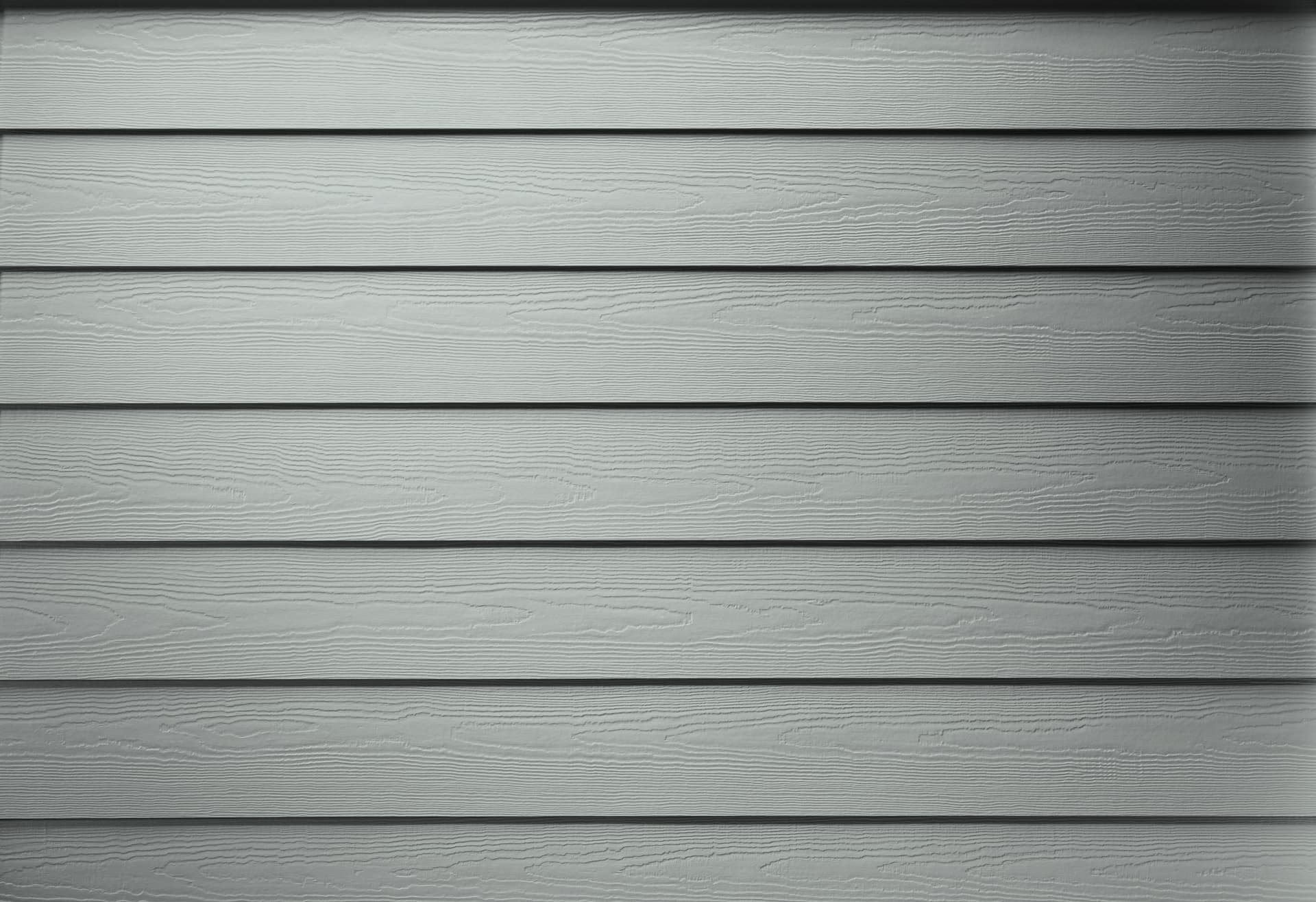
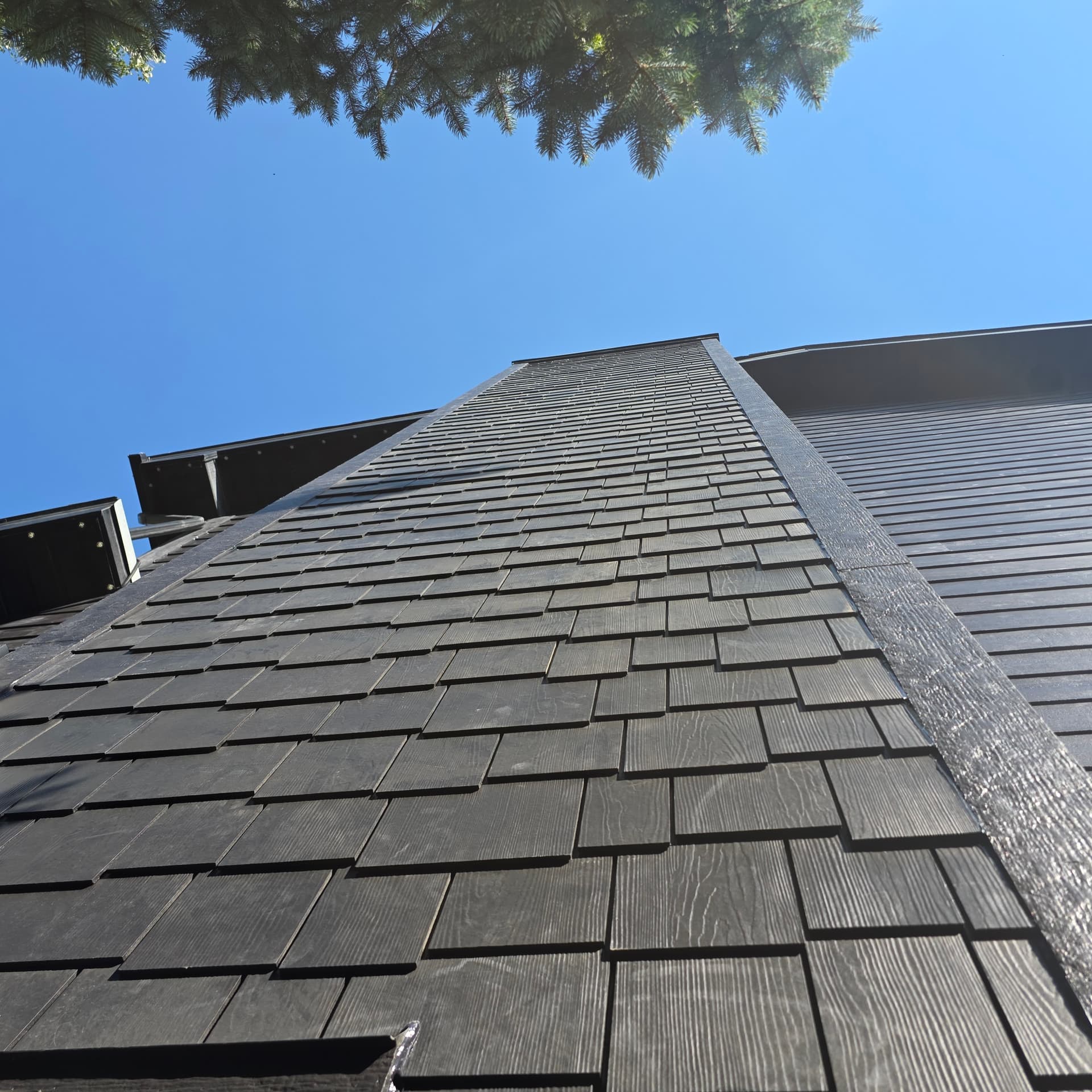
Fiber cement siding is a manufactured cladding product designed to give the wall a heavier, more solid appearance than many lightweight systems. Homeowners usually end up here because they want stronger lines, more visual depth, and a finish that feels closer to a painted board system than a lightweight panel.
James Hardie is the name most homeowners know, so that is usually where the conversation starts. The real decision, though, is whether the house, the budget, and the expected finish justify a more demanding system.
The draw is usually a combination of appearance, stability, and long-term finish expectations. Homeowners who do not like the lighter look of vinyl often prefer fiber cement because the wall reads cleaner and more architectural when the layout and trim package are done properly.
It makes the most sense when the owner cares about the overall presentation of the house and is willing to spend more to get there.
Calgary walls deal with hail, sun, chinook swings, freeze-thaw movement, and strong wind exposure. Those conditions punish weak joints, sloppy flashing, and trim packages that do not shed water cleanly.
Fiber cement can be a strong fit here, but only when the surrounding assembly is detailed properly. Material choice helps, but layout, clearances, and moisture control are what keep the wall performing over time.
Hardie work is not just about hanging boards. Cutting, fastening, flashing, joint planning, and moisture management need to be handled with discipline. Openings, roof-to-wall transitions, and clearance details all matter because the wall is only as good as the weak point around it.
That is why we look at the whole assembly before calling the scope ready. A premium material with weak prep work still creates a bad result.
James Hardie usually makes sense when the homeowner wants a more substantial finish, is planning a broader exterior upgrade, and does not want the wall to read like a lighter system. It can also make sense when the trim package and architectural lines are central to the result.
It is not automatically the best answer when the main goal is to solve a practical siding problem without pushing the budget too far. In those cases, the vinyl siding page is often the more balanced direction. You can also compare both materials on the siding services hub.
In a lot of cases, the decision comes down to budget more than anything else. Fiber cement systems carry a higher material and installation cost, and not every project needs that level of build. When the goal is to clean up the exterior, correct problem areas, and get a consistent finish without pushing the scope too far, vinyl siding is usually the more practical direction.
Homeowners who want to review the manufacturer side of the system can also visit the official James Hardie website.
James Hardie usually costs more than vinyl because the material is heavier, cutting and handling take longer, and the trim and fastening details need more labour. Height, access, wall prep, and trim package all move the final number.
Fiber cement gives you a heavier look and a more rigid finished wall. Vinyl is lighter, easier on budget, and often the practical answer when the homeowner wants a clean exterior upgrade without stepping into a more expensive system.
It can be, especially when the homeowner wants a more substantial look and is prepared for the higher install cost. It is not automatically the right answer for every house. The wall condition, budget, and finish goals still matter more than the brand name.
Fiber cement is a tougher wall finish than many lightweight cladding products, but hail resistance still depends on the severity of the storm and the surrounding trim details. It should be chosen as part of a full wall system, not as a single-material shortcut.
Yes. Cutting, fastening, clearances, flashing, and moisture control all need to be handled carefully. A premium board on a weak detail package still leads to problems.
Vinyl is usually the better fit when budget is the main limiter and the goal is to clean up the exterior, correct problem areas, and get a durable finish without turning the project into a heavier redesign.
Not sure whether fiber cement is the right fit? Compare options on the siding services hub or review the cost-controlled vinyl siding replacement page.
Start with an instant siding estimate, then we can help decide whether fiber cement or vinyl makes more sense for the project.