Eavestrough service

Eavestrough and Gutter Replacement in Calgary

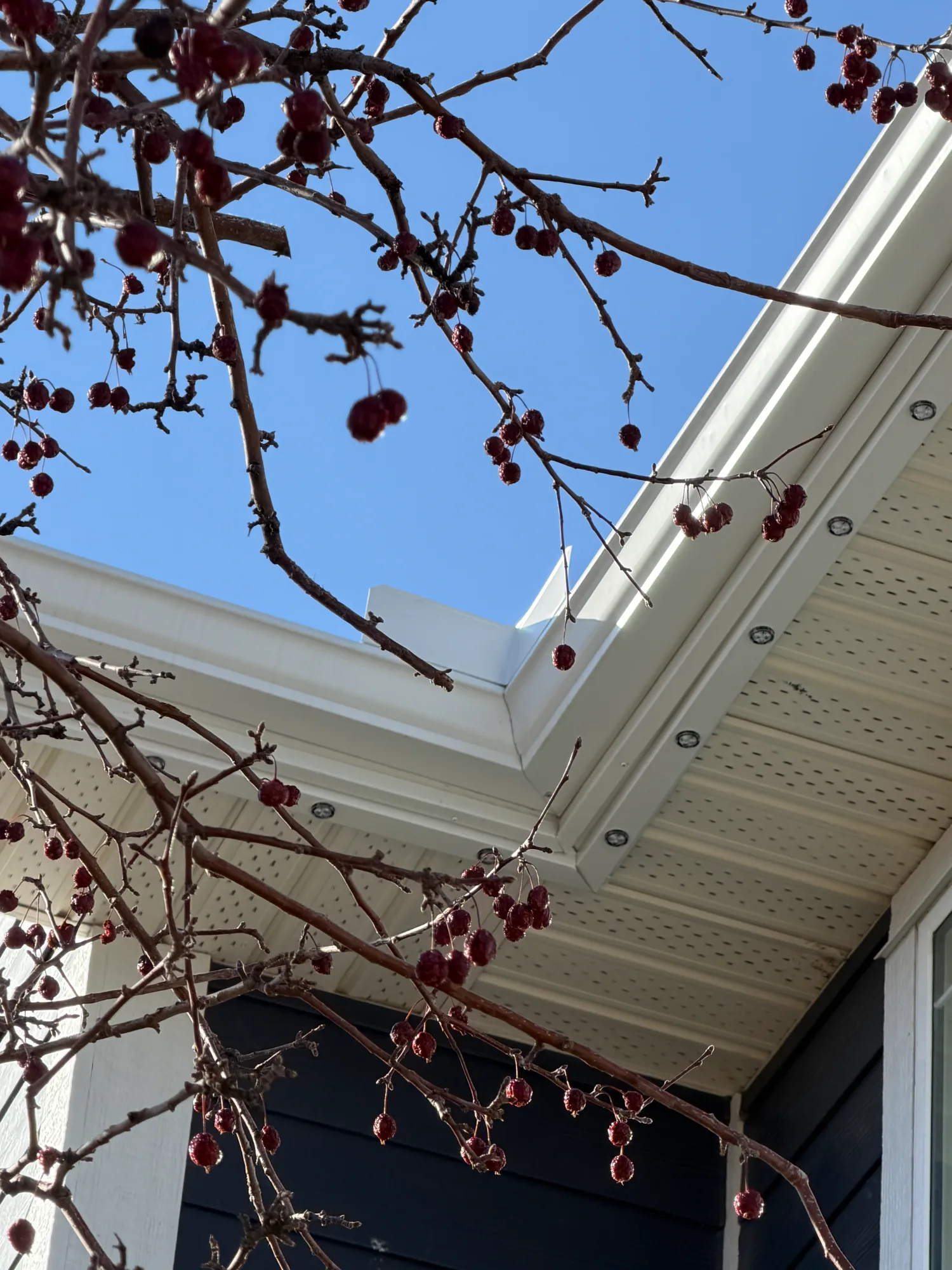
Drainage details are easy to ignore until the water starts landing in the wrong place. Proper eavestrough sizing, slope, and downspout placement help protect siding, soffit, fascia, foundations, and walkways through Calgary rain and spring melt.

What this service includes

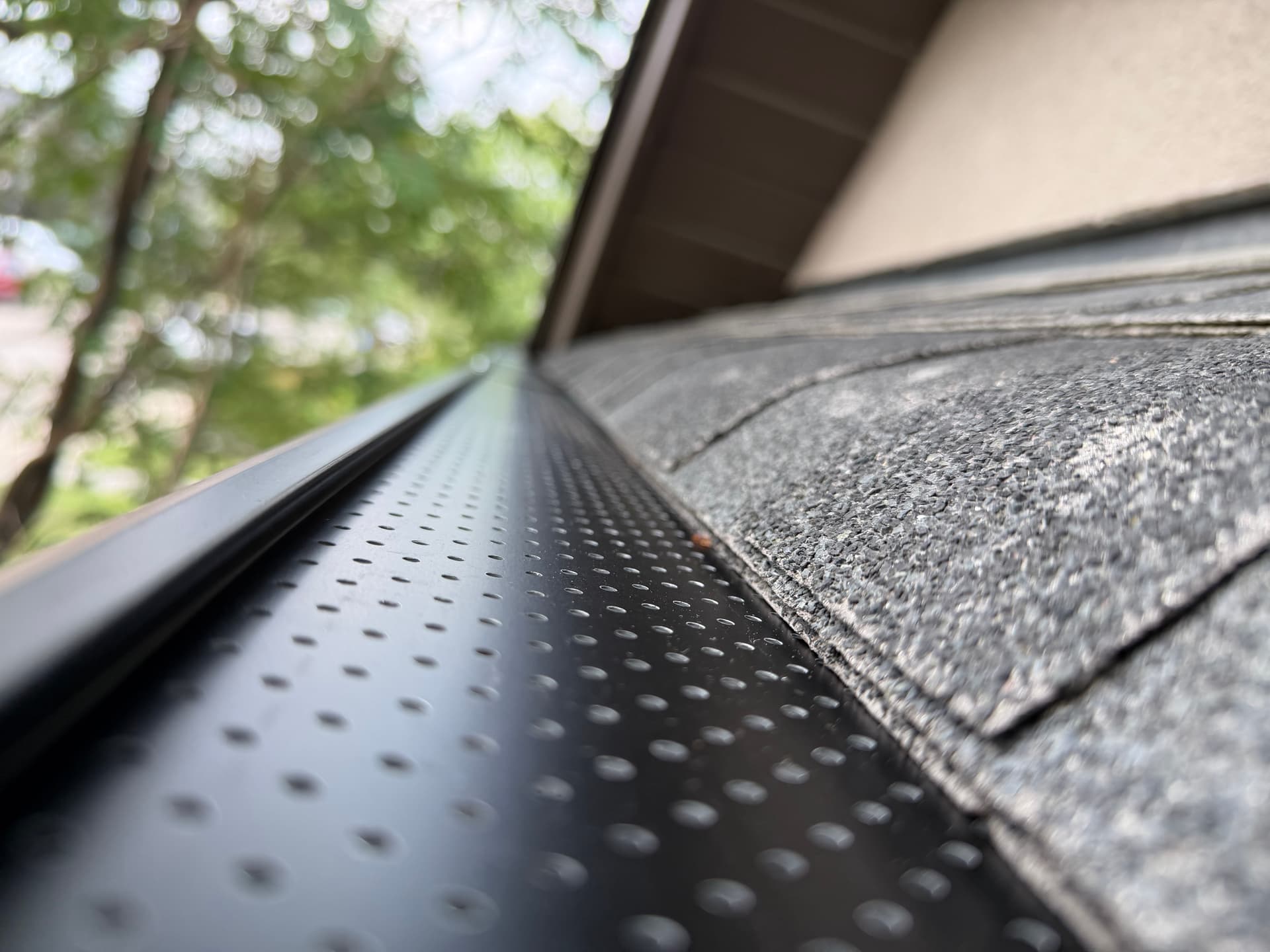
Eavestrough work is about drainage planning first and metal second. We install 5-inch and 6-inch gutter systems, review how water leaves the roof, and look for problem areas at valleys, lower roof sections, entrances, decks, and corners where winter ice or splashback tends to show up.

  • 5-inch and 6-inch gutter system options based on roof area and runoff volume.
  • Downspout placement review so water is carried away from the building effectively.
  • Coordination with fascia, soffit, siding, and roof edge details where the drainage system ties in.
When homeowners usually need it

Common signs include overflow during normal rain, repeated icing near entries, loose runs, standing water in the trough, splash marks on siding, or drainage that empties too close to the foundation. A gutter system can look mostly intact and still be failing because the sizing, slope, or discharge path is wrong.

Why sizing and layout matter

The difference between a 5-inch and 6-inch system is not just appearance. It is about how much water has to move through the run, how concentrated that water is at valleys, and whether the downspout layout can keep up during heavy rain or sudden snow melt. Homes with larger roof planes or concentrated runoff often need more capacity than homeowners assume.

Calgary-specific considerations

Freeze-thaw cycles are hard on drainage systems. Water that does not leave the trough properly can turn into heavy ice, stress the fasteners, and create hazardous build-up near doors and walks. Chinook swings can make these patterns worse. That is why slope, spacing, outlet placement, and runoff direction matter as much as the metal profile itself.

How the process works

  1. We review the roofline and identify where the current drainage path is failing.
  2. We measure the runs and decide whether 5-inch or 6-inch capacity is more appropriate.
  3. We confirm downspout count and discharge points before fabrication or installation.
  4. We install the new system with attention to slope, support, and clean transitions at fascia and roof edge details.
  5. We verify that runoff is leaving the house properly, not just dropping beside it.

Related references

For broader guidance on roof drainage components and accessory planning, review the manufacturer information from GAF. Then compare that information against how your own roofline sheds water in real storms.

Frequently asked questions

Need to know whether the problem is capacity, slope, or age?

Start with the quote tool, then we can confirm measurements and drainage layout on site.

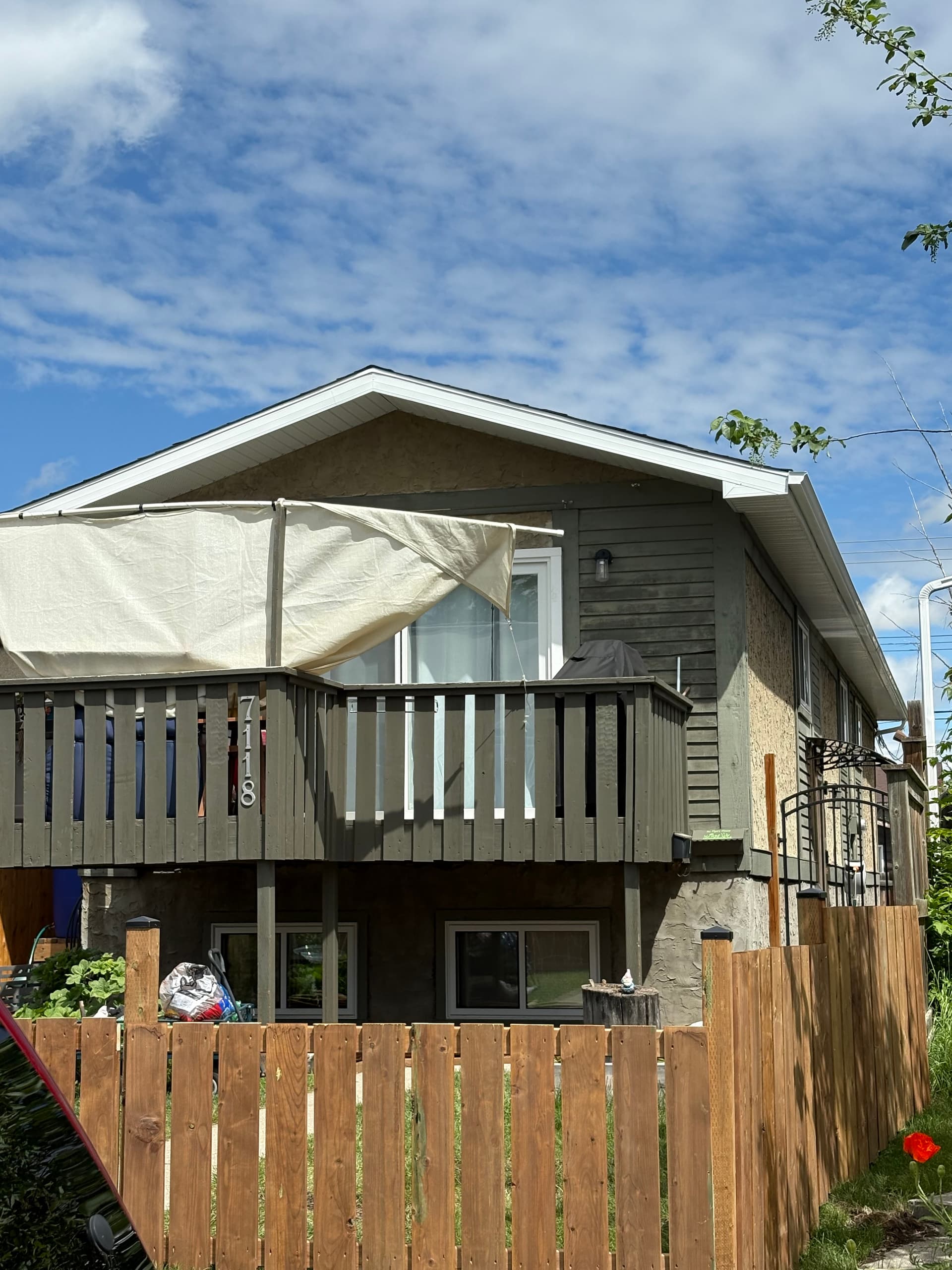
Hail-Damaged Soft Metals Replacement – Eavestrough, Fascia, and Downspouts

Hail-Damaged Soft Metals Replacement – Eavestrough, Fascia, and Downspouts

Coventry Hills, AB

The soft metal components on this property had consistent hail damage, with visible denting along the eavestrough runs, fascia face, and downspout sections. The damage was uniform across all elevations, making spot repairs impractical and noticeable once completed. On hail jobs like this, the damage is usually consistent across all soft metals, so partial repairs tend to stand out and don’t hold up long term. We removed the damaged eavestrough, fascia capping, and downspouts and completed a full replacement to restore proper drainage and clean up the overall look of the home. New materials were installed with correct slope, alignment, and secure fastening throughout. All corners, joints, and terminations were reworked to eliminate previous weak points and ensure long-term performance.

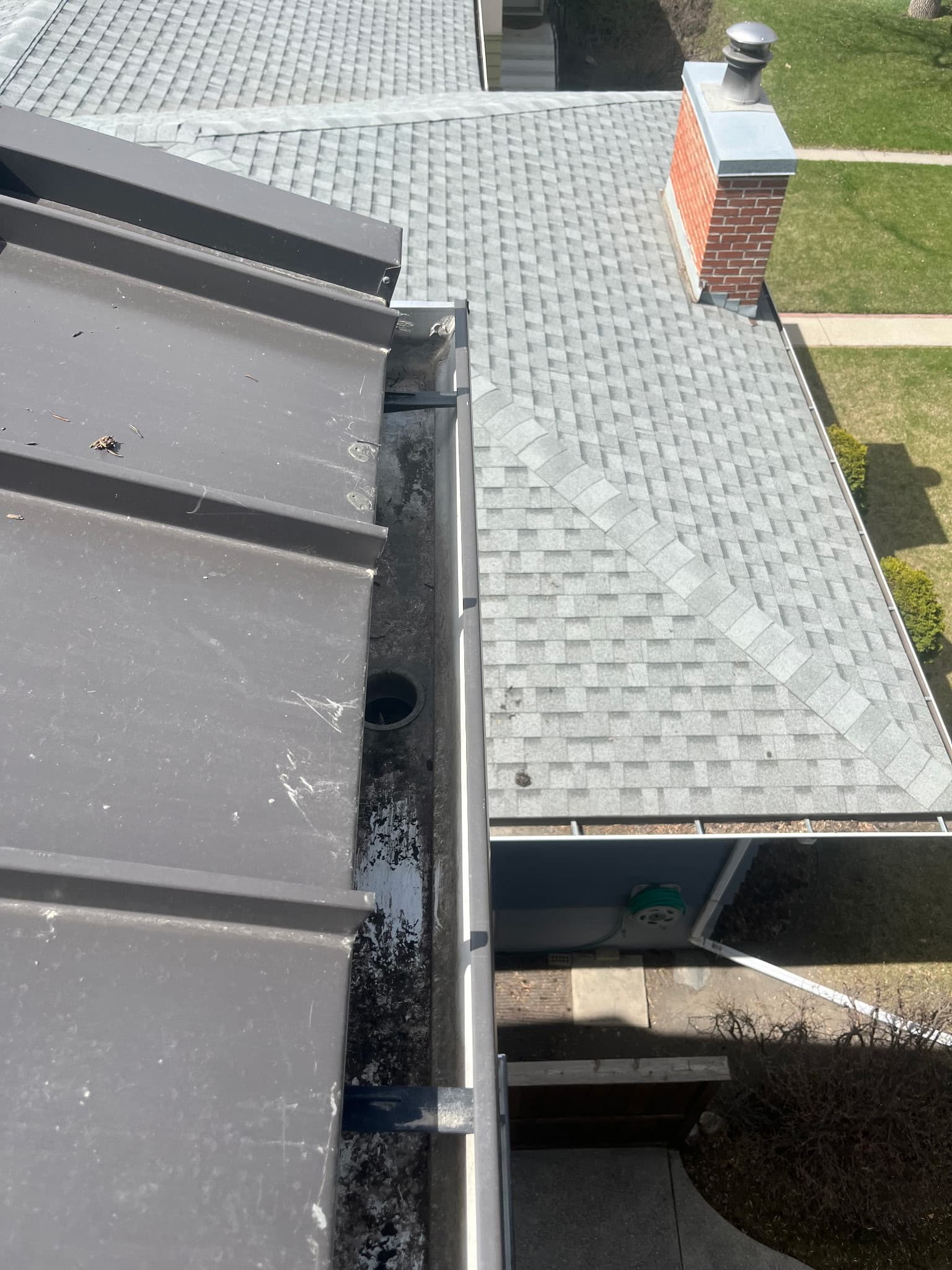
Eavestrough cleaning and Fascia repair in Rutland Park

Eavestrough cleaning and Fascia repair in Rutland Park

Rutland Park, AB

This job involved maintenance and repair work on a standing seam metal roof in Rutland Park SW Calgary. During cleaning, we found areas along the fascia and roof edge where the sealant had failed and sections were starting to break down, especially around the chimney and transition points. These are common spots where water starts to get in if they’re not kept up. The eavestrough system was cleaned out first to get drainage moving properly again, then we worked through the fascia repairs and re-secured any loose edge details. Sealing was redone around the roof edge and chimney transitions so everything is closed up properly and not relying on old or failed sealant. On maintenance jobs like this, catching these areas early usually prevents bigger issues down the line, especially on metal systems where water tends to track along seams and edges.